



Summary of the Stage for “Makany and Eldo”
The Higashiyama Zoo (HZ) was founded in 1937, being then the largest-scale zoo in the Orient, which adopted the style of no cages or fences for free-nurturing of animals, adopting that of Hagenbeck Zoo in Germany.
However, HZ had only one elephant. Its zoo director, Mr. Kitao, requested the Kinoshita Circus Director to donate their elephants. Because Japan was then in the midst of the Sino-Japanese war and there was extreme shortage of the food for its animals, Mr. Kinoshita willingly transferred four elephants.
In 1941, Japan expanded the war against the US and many other countries. The distribution of animal feed was completely stopped. So, the HZ staff started cultivating part of the zoo ground for vegetables. In the summer of 1941, the authorities disposed of all the beasts in Ueno Zoo in Tokyo. The air attacks against Japan by enemy countries became fierce, and zoo animals all across Japan were killed.
The staff members of HZ, with the support of the neighboring community and military officials, were trying desperately to maintain the animals, and they were able to keep two elephants, “Makany” and “Eldo”, alive.
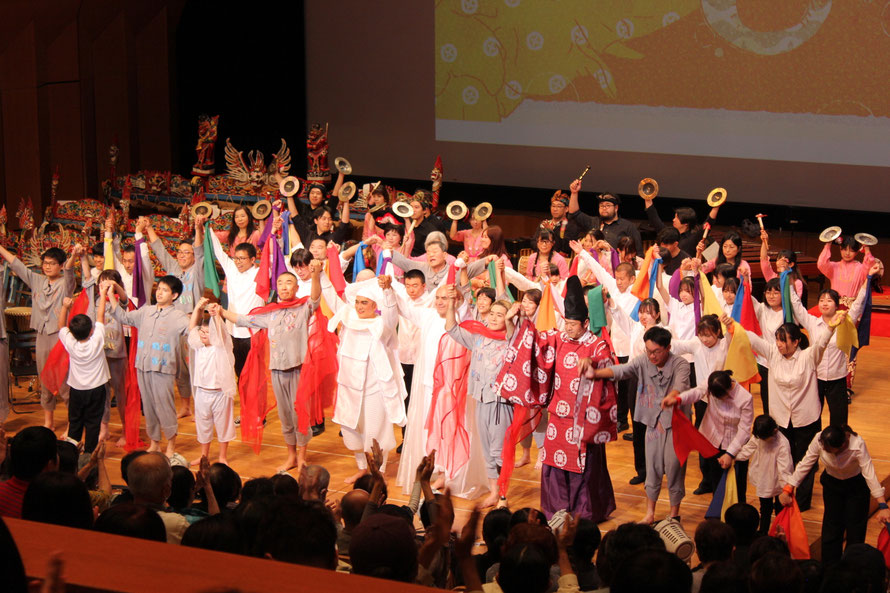
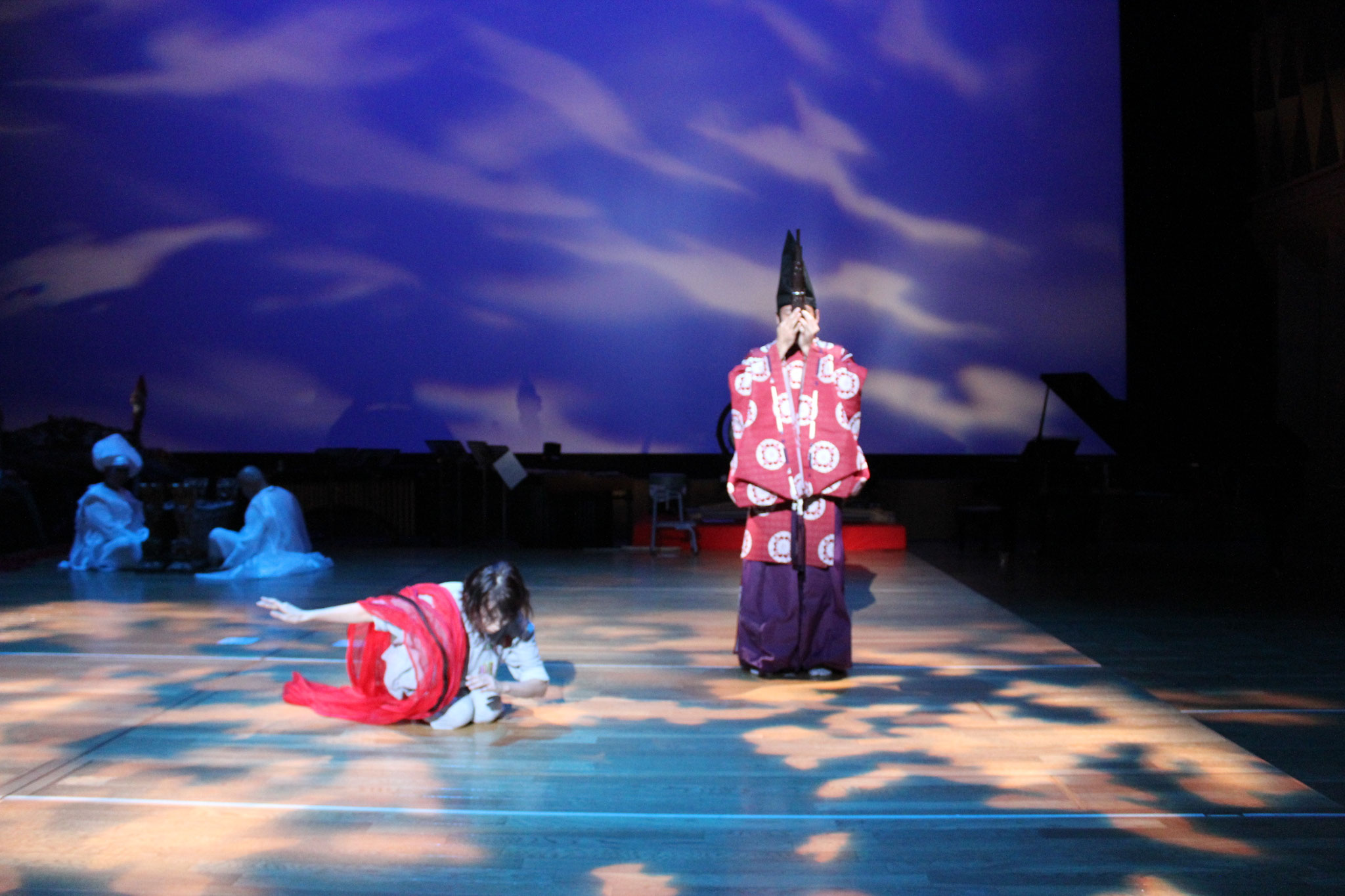
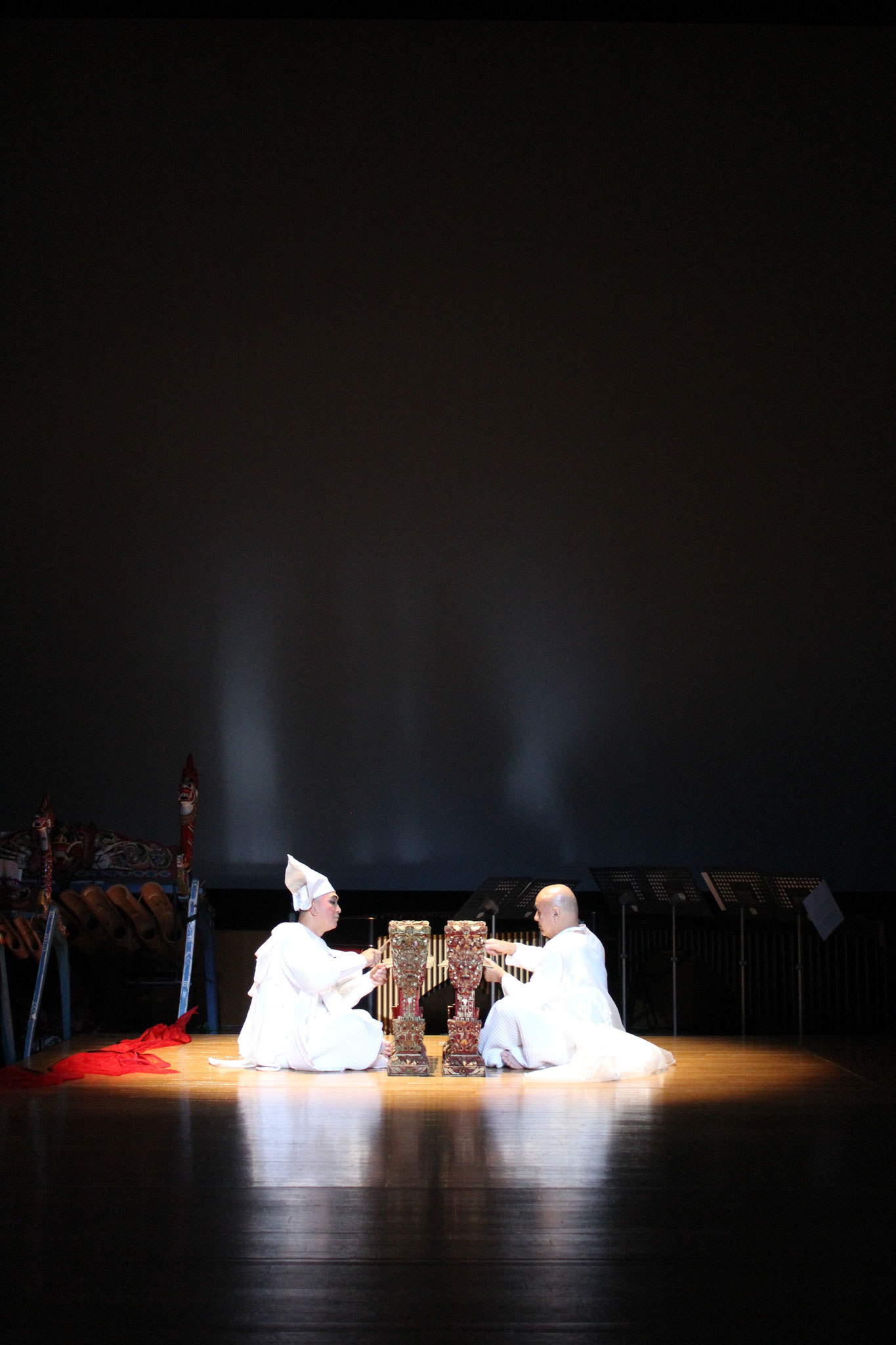
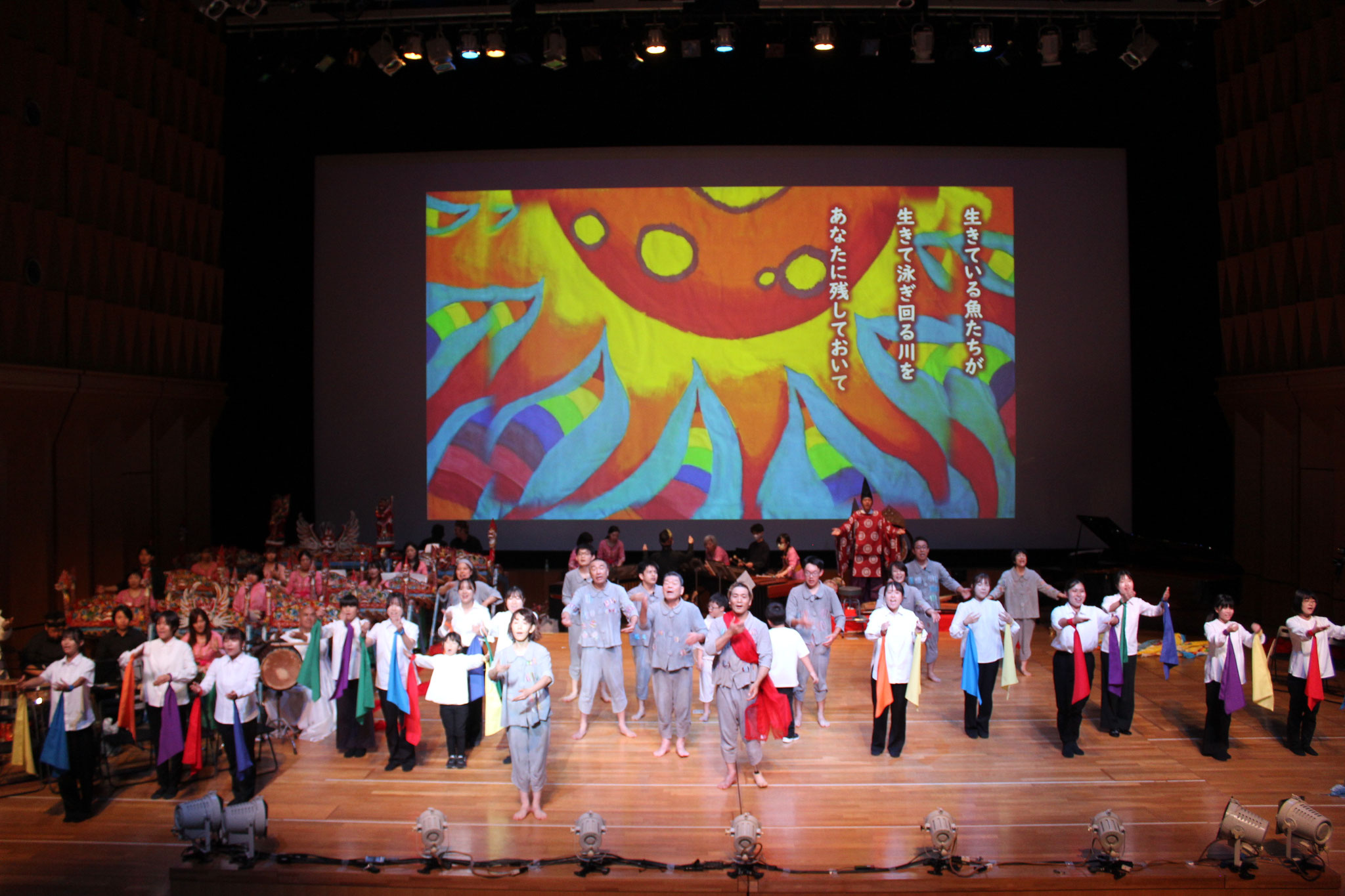
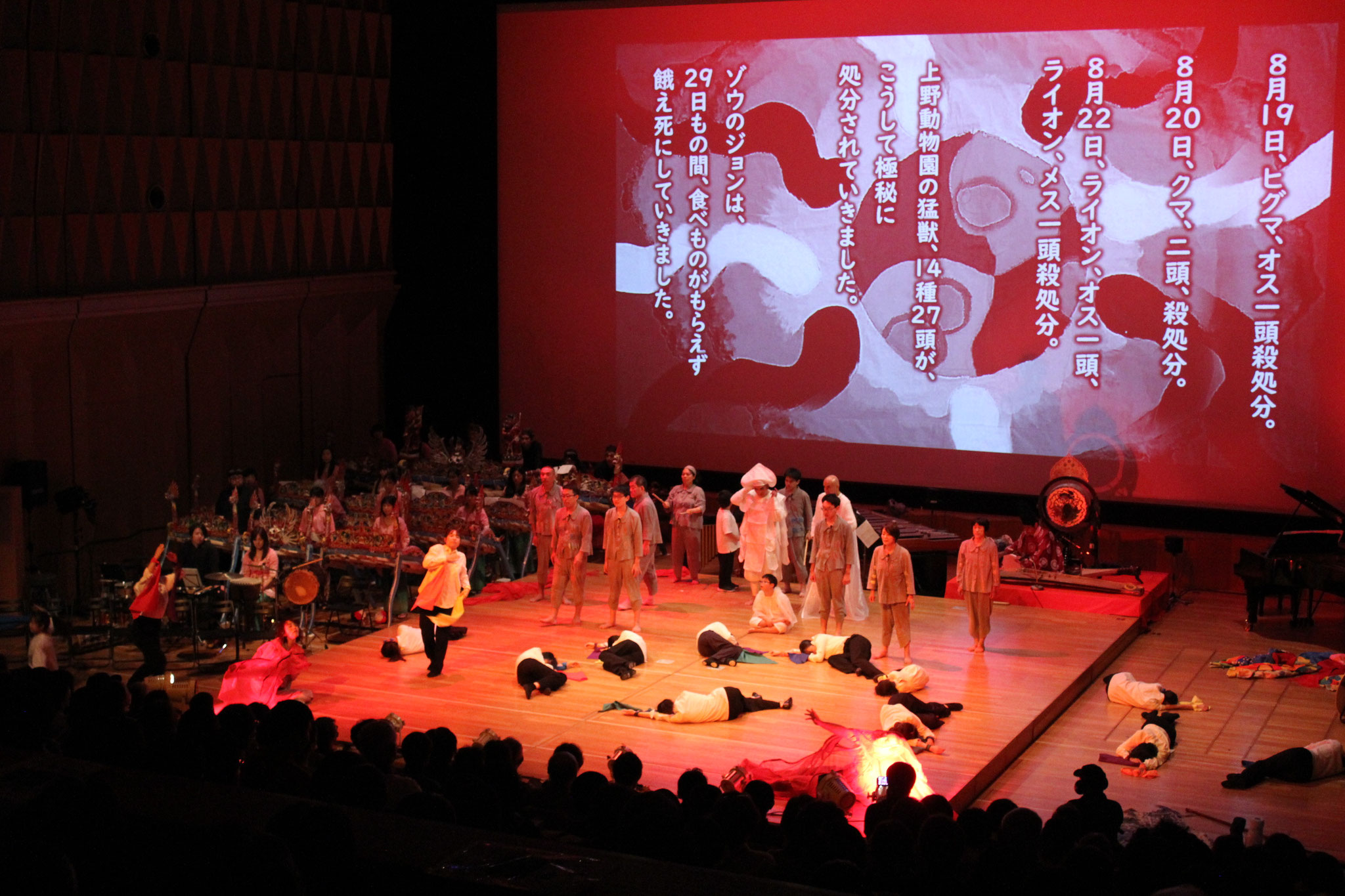
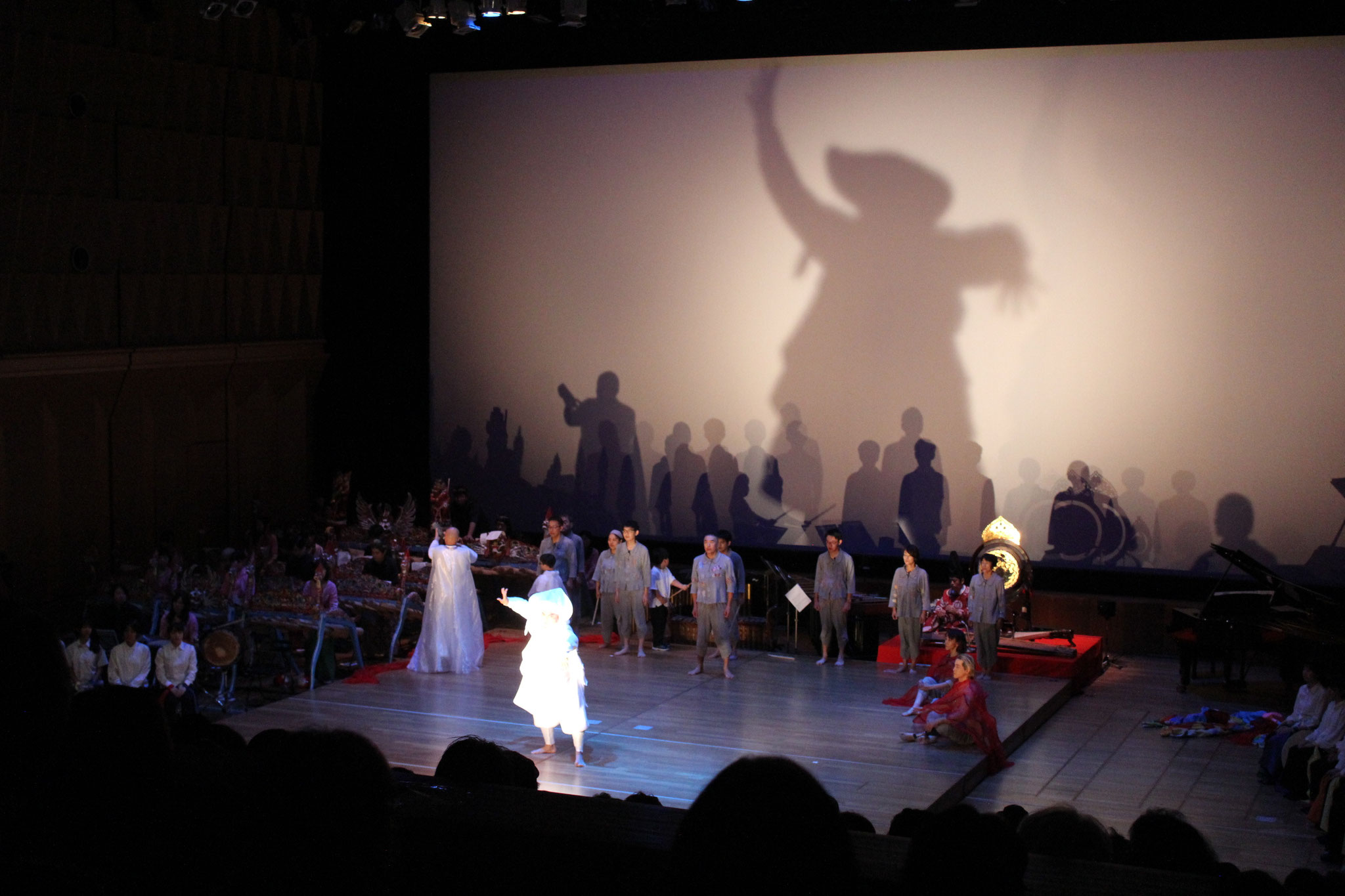
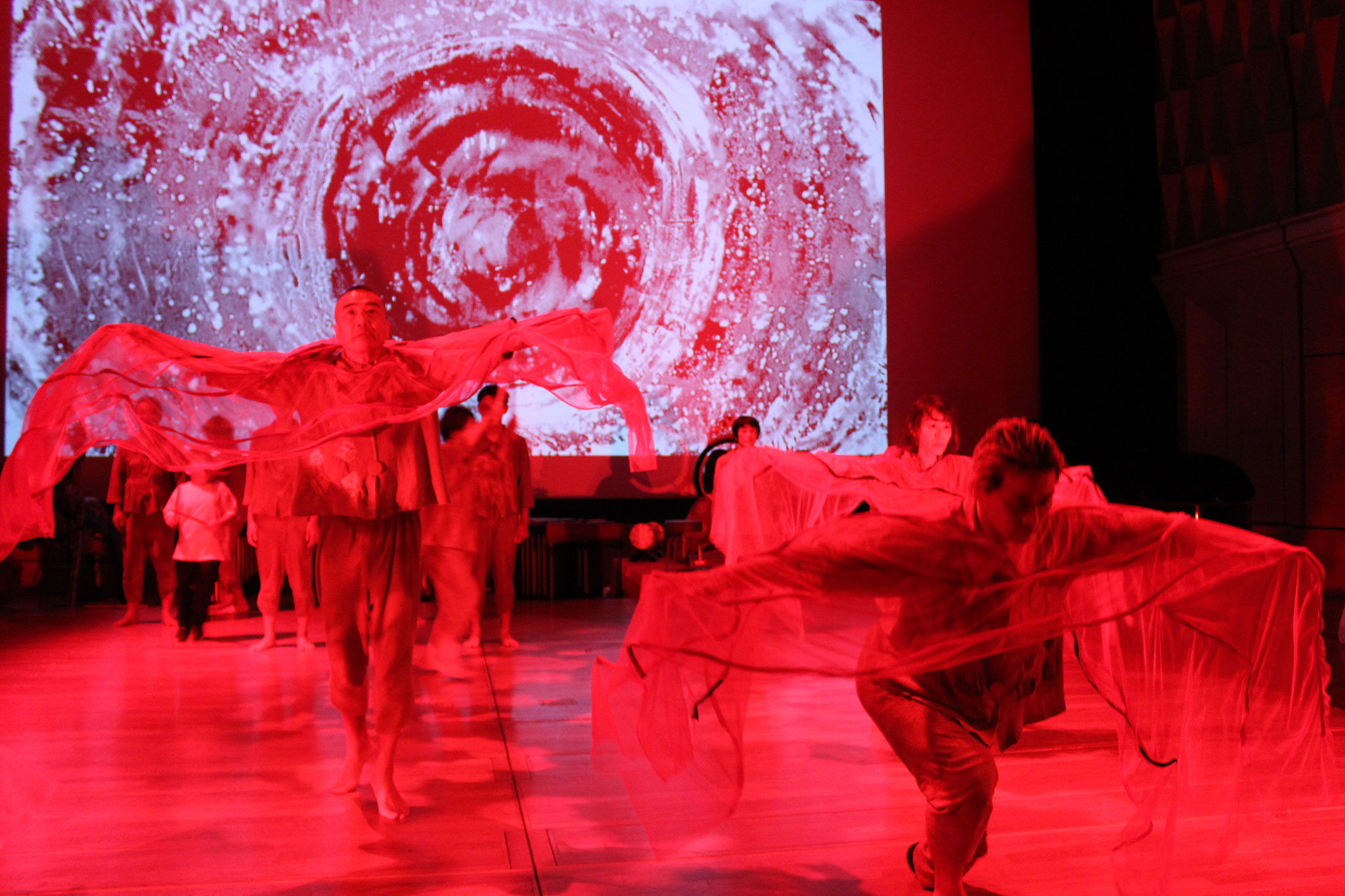
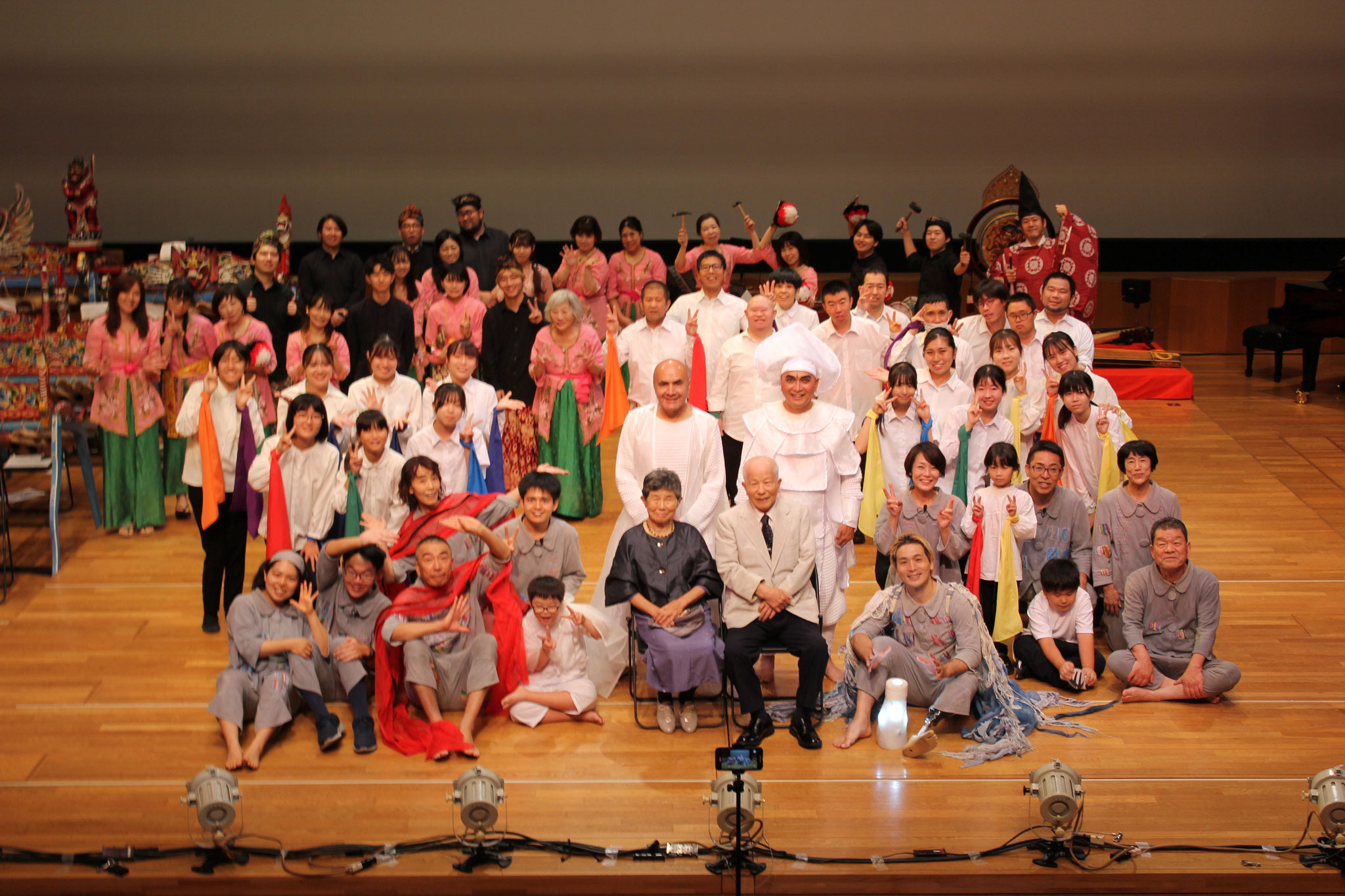
In this stage production featuring Makany and Eldo, performers young and old, male and female, including physically hand-capped persons as players of musical instruments and dancers, challenge the true story of these two elephants which survived in HZ through World War II.
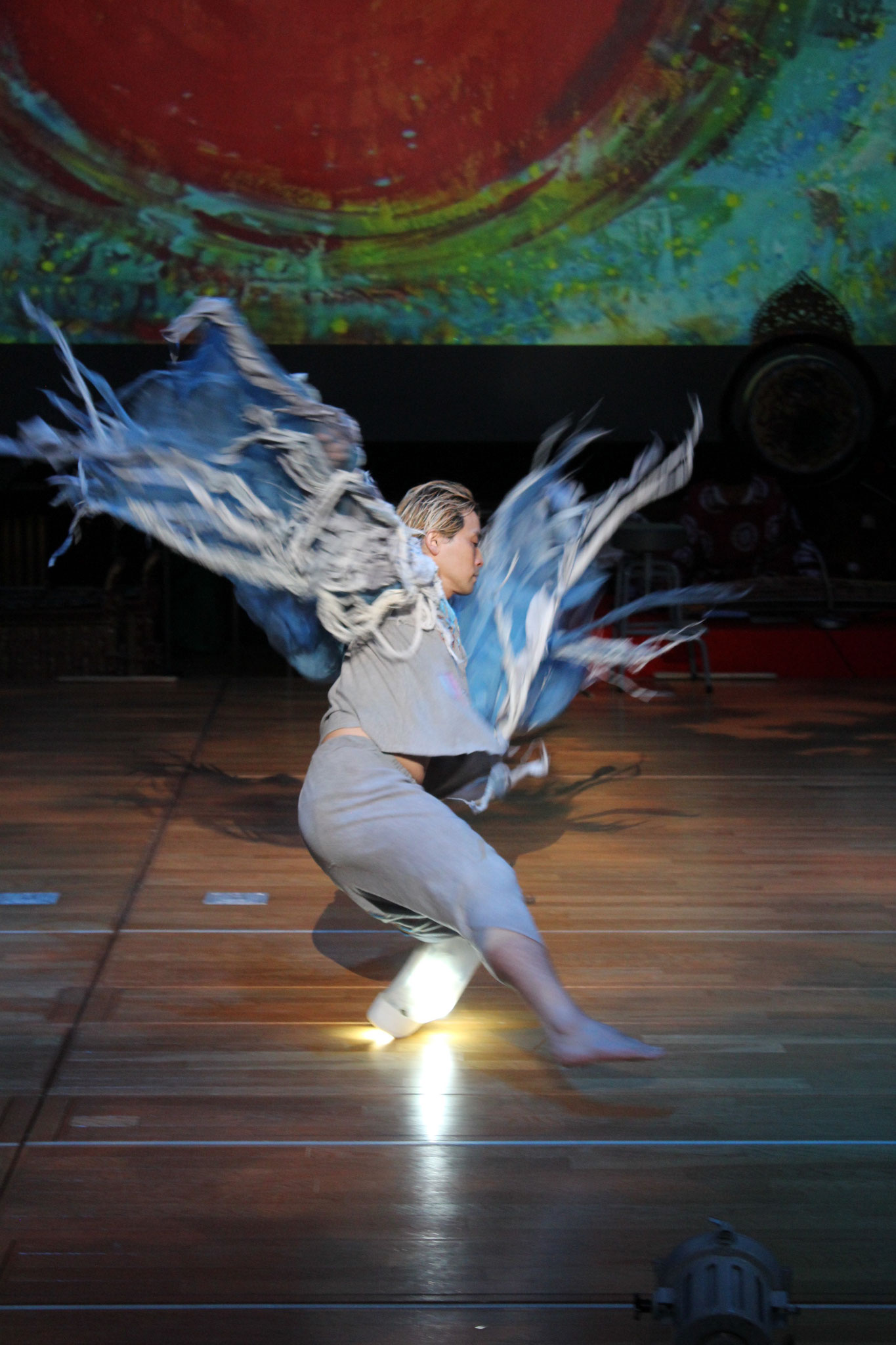
The troupe consists of professional musicians, dancers, and mixed chorus, featuring: Ricardo Gallardo, Mexican percussionist; I Gede Oka Artha Negara, San Francisco’s percussionist; Koichi Ohmae, dancer with prosthetic leg; Takao Matsushita, founder and director of “Shofukai” (old Japanese court music); Yukie Kurihara, Marimba artist; Asayo Yamamoto, hearing impaired dancer; “Gamelan Sekar Sakura”, Gamran-Jegog players group; and children who suffer from autism, Down’s syndrome, and other developmental disorders who accompany the chorus group – all to structure and compose the inclusive stage performance as a prayer for love and peace.
[expected number of performers]
musicians 20, actors and dancers 20, chorus 20, total number 60
[accompanying music instruments]
Gamuran-Jegog 1 set, percussion 1 set
[expected rental ]
piano 1
l 10 leaders are needed to support handicapped persons
l Ideal size of the stage is 15 meters by 15 meters
-------------------------------------------------------------------------------------------------------
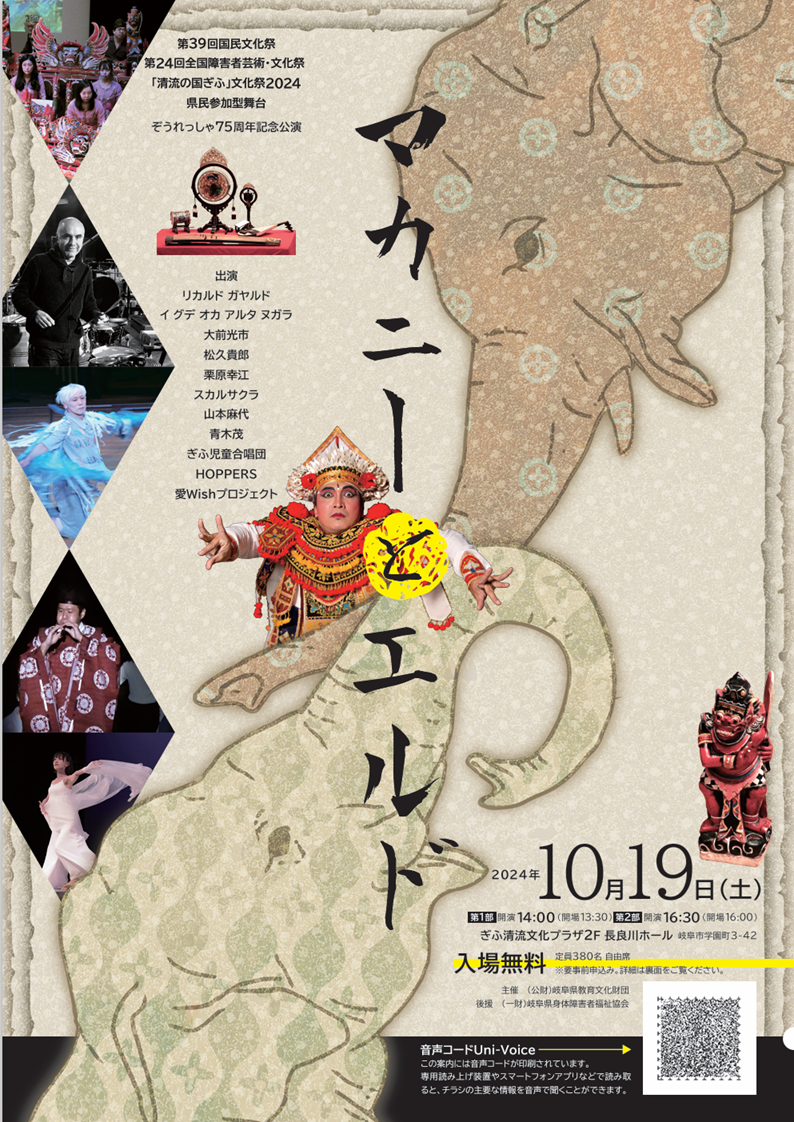

第39回国民文化祭 第24回全国障害者芸術・文化祭 県民参加舞台
ぞうれっしゃ75周年記念公演『マカニーとエルド』舞台映像

